News & views

Explore our latest blog articles, newsletters, videos and more. We add a new blog article to this page every week, and you can subscribe below for notifications. If you have a topic you would like to read about in one of our future articles, please get in touch and let us know.

Filter by

Category


Author


The Higher Everyday Living Fee (HELF) has replaced the Extra Service Fee and Additional Service Fee as part of the new aged care rules which came into effect on 1 November 2025. The intent is to provide protection to residents purchasing additional services with their residential aged care.
From 20 September this year, deeming rates will increase for the first time since the Covid-era freeze. This change may affect people whose payments and benefits are determined by the income test. The announcement confirms that rates will gradually return to ‘pre-pandemic settings’ with staged increases to take effect in the future. Increases will be realigned from 1 July to the same time that payments are indexed (expected to be 20 March and 20 September).
A government task force looking into the aged care sector in Australia has recommended that those of us with the financial means should pay for our own living and accommodation costs. This would be a substantial change to what currently happens. Currently, the taxpayer covers most of the expenses for aged care – around 75% of residential care costs and 95% of in-home care costs.
The type of concession card you may be eligible for is based on your age and circumstances. A Pensioner Concession Card (PCC) is issued to pensioners, a Low Income Health Care Card (LIHCC), is issued to someone on lower income, regardless of their age, and a Commonwealth Seniors health Card (CSHC), is available to someone who is above age pension age and doesn’t qualify for any social security payment.
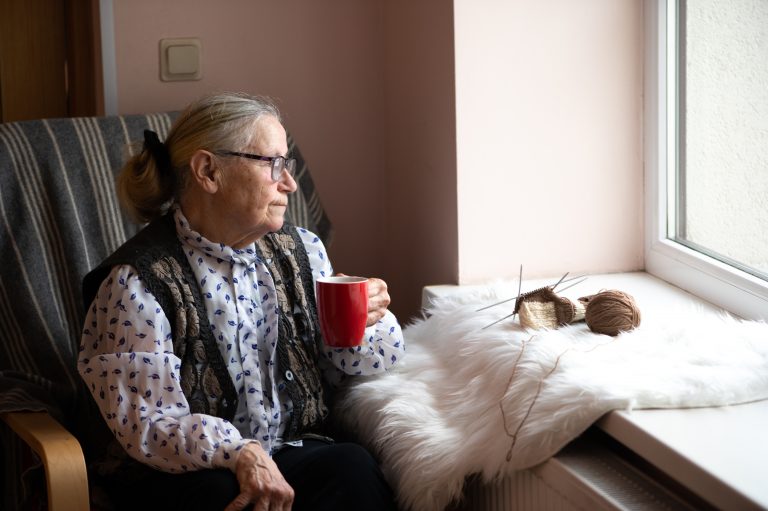
The lump sum that you pay for your room (known as the Refundable Accommodation Deposit or RAD) comes back to your estate when you pass away. If you have paid a lump sum for your room in a residential care facility, you give up access to this money whilst you are in care, but these funds remain part of your estate which can be left to your beneficiaries. The full amount is refundable (unless you have allowed any ongoing care fees to be deducted instead of paying these costs via your bank account).
There have been many complaints regarding the amount of administration fees some providers have been charging clients for managing their home care packages. This has resulted in less care package funds being available to be used for what they are intended: help around the house, personal and clinical care, assistive equipment, and other supports to help people stay safe and independent at home.

Get in touch

This field is for validation purposes and should be left unchanged.

Latest insights

You’re retired and you’ve set yourself up well financially. You have no debt, no job to lose, no (or little) taxable income, no kids eating your fridge out and ready access to capital. You’re the envy of every financially stressed 40 year old with years of pressure head of them; possibly your own children. You wonder how you can help but you don’t want to just hand over cash without a purpose, and you also don’t want to create dependency or expectations.
One of the biggest concerns facing Australians approaching retirement is the fear of running out of money. Financial experts have even coined a term for it: FORO (Fear of Running Out). While this anxiety is understandable, research suggests that many retirees may be more financially secure than they realise. By understanding the factors that influence retirement income and longevity, Australians can make more informed decisions and enjoy their retirement with greater confidence.